
A chip under AI load
Cores that work hardest become hotspots. Without enough heat extraction they set the limit on how hard the whole chip can run.
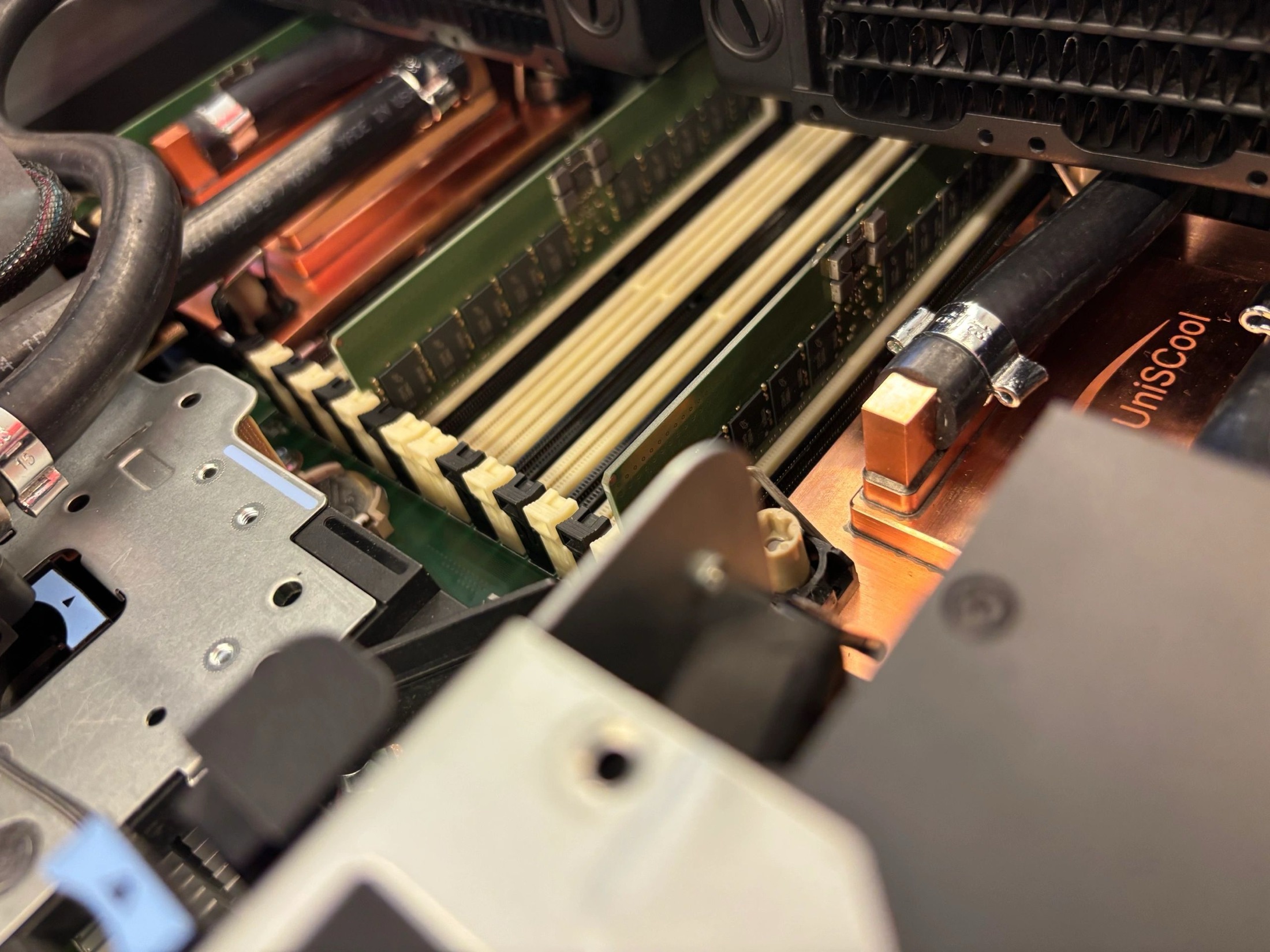
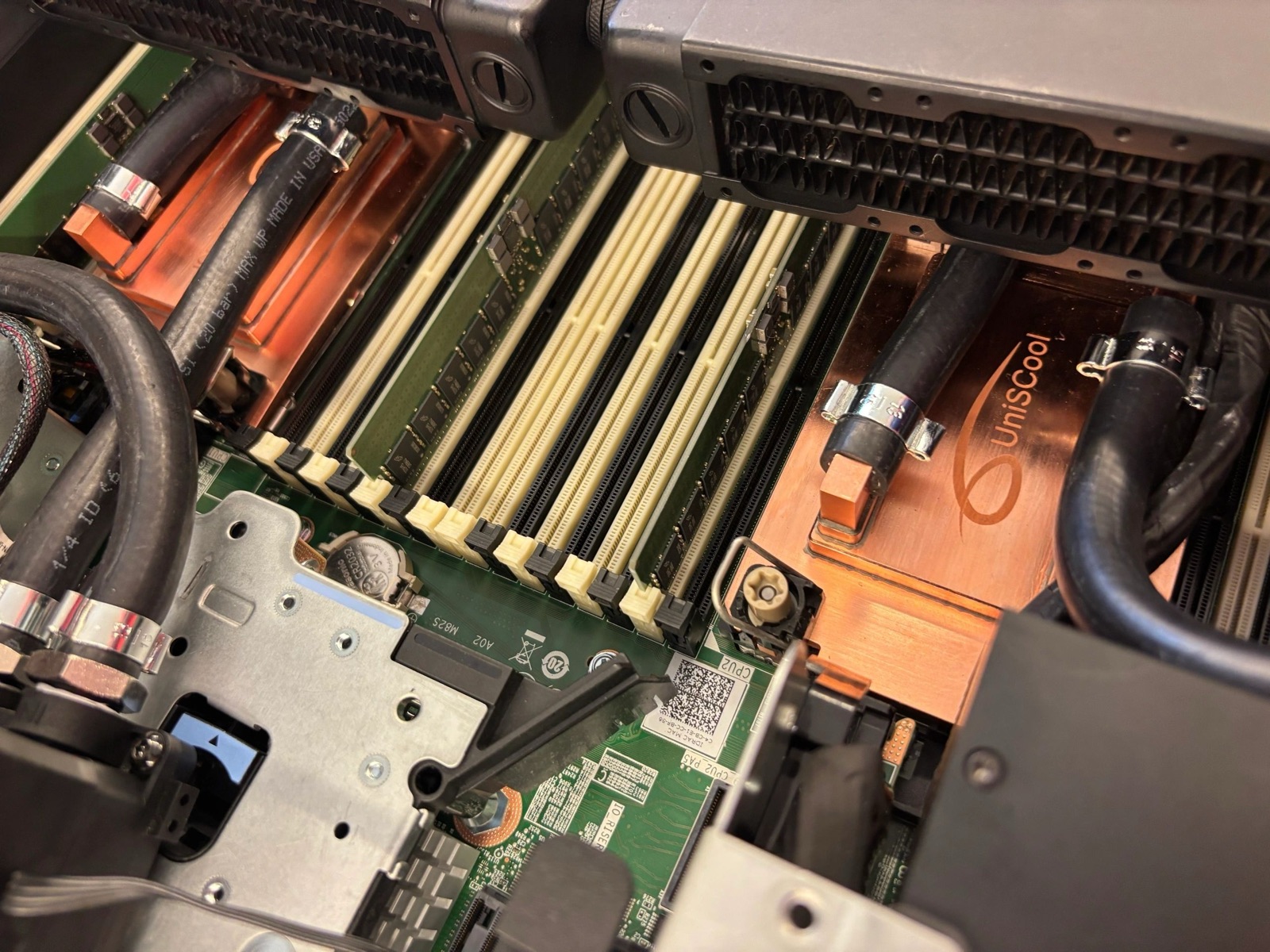
Smart Cool Fins sit directly on the processor and adjust to where the heat actually is. Patented in Lleida, tested for five months in a live server room.
See the fins adaptEIC Accelerator 2026
OCP Global Summit 2025, FTS winner
Patented direct-to-chip technology
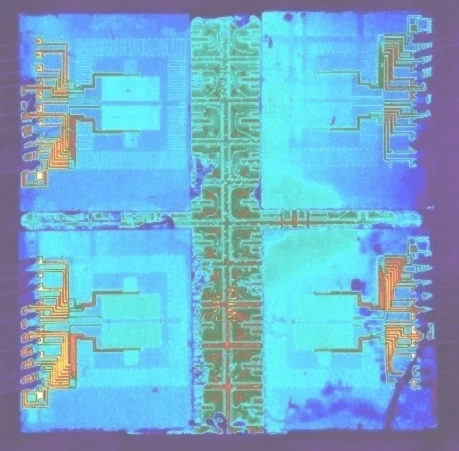
Inside the cold plate, self-adaptive fins change their position with the local heat load, in time and in space. More coolant contact where a core is working hard, less resistance where it is not. Scroll to watch it happen on a simulated die.
Cores that work hardest become hotspots. Without enough heat extraction they set the limit on how hard the whole chip can run.
A conventional cold plate treats every square millimetre the same. Coolant warms as it crosses the chip, so downstream cores run hotter.
Smart Cool Fins rise over the hotspots and lie flat where the die is cool. Heat is pulled out locally and the temperature evens out.
AI workloads shift from core to core. The self-adaptive fins respond as the load shifts. Move your cursor over the die to shift the load.
Illustrative model of the principle, not measured data.
70%
less energy spent on cooling with Smart Cool One in real operating conditions.
30%
lower total system energy, measured on the same installation.
2000W
dissipated per socket, for the most power-dense CPUs and GPUs.
Smart Cool One is modular and plug-and-play, which makes the move from conventional cooling to liquid straightforward.
Smart Cool OneData centers already spend up to 40% of their electricity on cooling. Rising power density is pushing operators to single-phase direct-to-chip liquid cooling, from AI clusters to the chip itself.
Battery and power electronics
Data center operators
Run Smart Cool One on your own servers and measure the savings before you commit to a rollout.
Apply for Try & BuyServer and system OEMs
Cooling designed around your hardware, your socket power and your coolant loop.
Discuss a designChip designers
Bring adaptive cooling into the silicon itself for thermal performance at the source.
Explore in-chipWinners of the 2025 Future Technologies Symposium at the OCP Global Summit, and backed in 2026 by a €2.5 million EIC Accelerator grant to industrialise the technology.
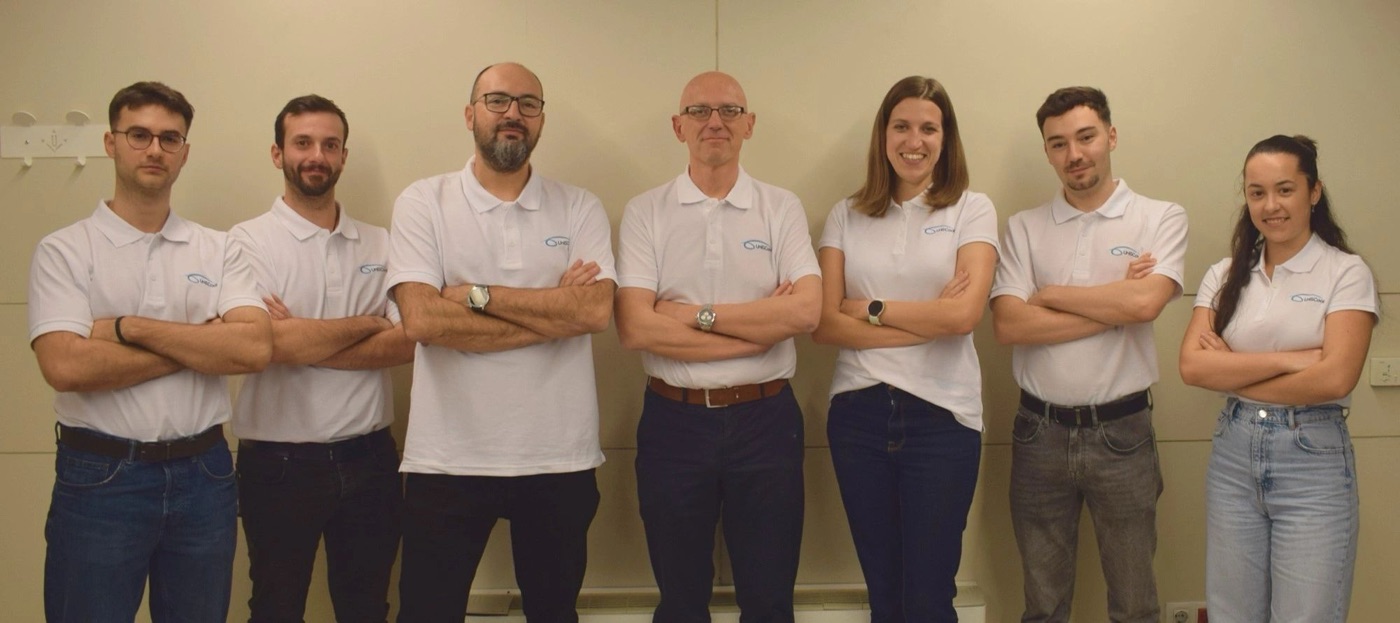
The Try & Buy programme is open. Tell us about your servers and the team in Lleida will size a pilot with you.
Contact the team